
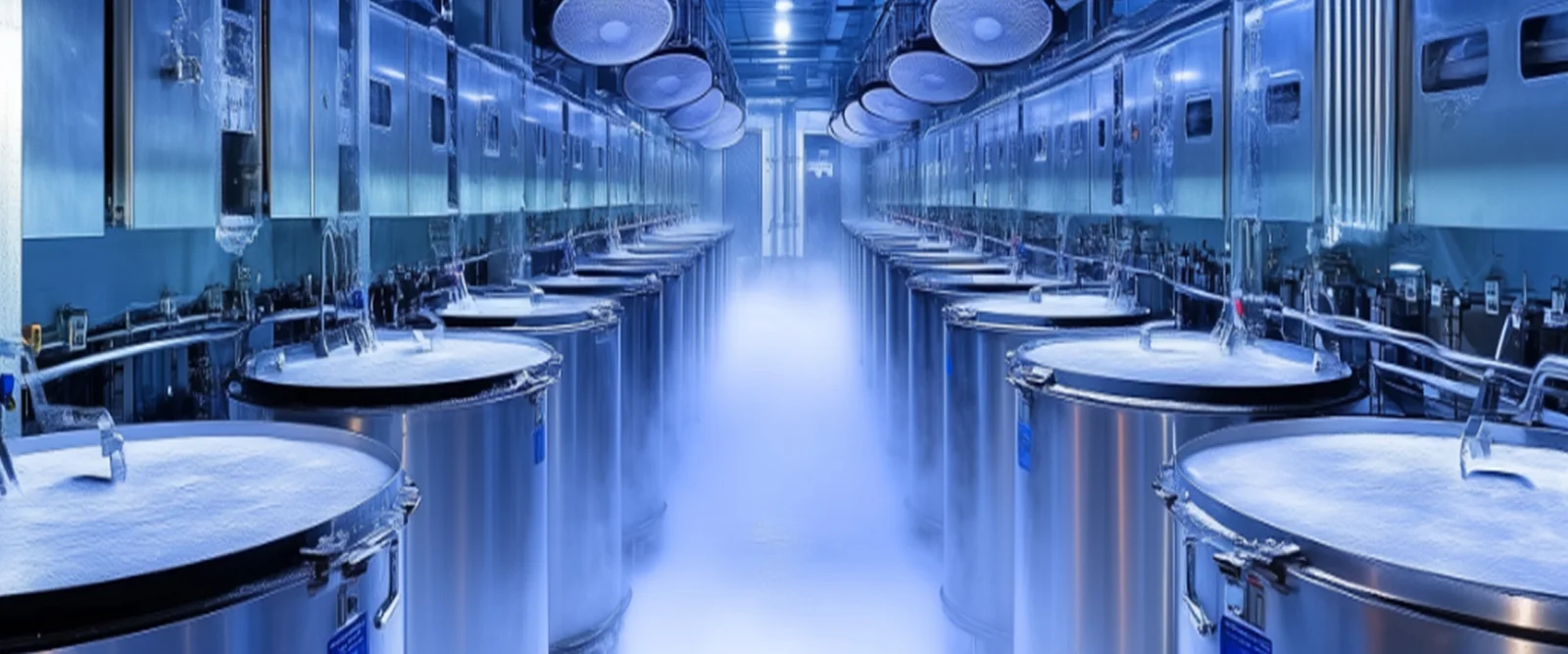
A controlled environment generally refers to a dedicated area in which parameters such as temperature, humidity, airflow, lighting, and access are regulated to meet specific requirements related to manufacturing, testing, research, or material storage.
With an appropriate feasibility approach, we proceed within the framework of a detailed business plan while taking investment costs into consideration. Our approach places particular emphasis on lean manufacturing, quality, design for value, digital transformation, and awareness of renewable energy, environmental management, and waste management practices offered by modern industry. By following Industry 4.0 compliance and integration processes, we aim to continuously enhance our capabilities and provide comprehensive services to stakeholders across a wide range of industries.
Primary Objectives of Controlled Environments
- Contributing to human health
- Protecting the environment
- Ensuring product and production stability
- Fulfilling legal requirements
- Conducting production in compliance with quality standards
- Ensuring regulatory compliance
- Carrying out custom design, product development, and R&D activities
Controlled Environment Applications
1. Industrial Facility and Factory Construction
Architectural, mechanical, and electrical infrastructures are designed and implemented to meet manufacturing, storage, and other operational requirements across a wide range of industries.
During the design of reinforced concrete or steel-structure facilities, detailed calculations and designs are developed using BIM/CAD software for:
- Interior and exterior façades, roofing systems, and office areas
- Manufacturing and storage areas
- Shipping, entry-exit, and emergency areas
- Social and personnel facilities
Key Criteria Considered in Factory Design and Construction
- Process Compatibility: Design solutions tailored to manufacturing processes and customer requirements
- Comfort and Ergonomics: Social and personnel areas designed according to employee needs
- Operational Requirements: Consideration of human health, occupational safety, environmental protection, and waste management
- Service and Maintenance: Regular maintenance of mechanical and electrical systems
- Material Selection and Quality Control: Selection of appropriate materials to enhance durability and ensure compatibility with environmental conditions
- Energy Efficiency: Thermal insulation, natural lighting, and the use of energy-efficient equipment
2. R&D Centre and Laboratory Applications
Experiments, research activities, measurements, and quality control processes are conducted within controlled environments.
- Patient and sample circulation routes are separated.
- Registration areas are positioned close to entrance points.
- Cross-contamination risks are minimized.
- Safety, maintenance, and waste management requirements are taken into consideration.
- HVAC systems, chemical liquid waste management, ergonomics, and hygiene standards are incorporated into the design.
Laboratory Components
- Water and electrical infrastructure
- Ventilation and filtration systems
- Antibacterial wall and flooring systems
- Storage units and laboratory bench systems
3. Humidity-Controlled Rooms
These are controlled environments in which the ambient temperature is maintained between 22–55°C and relative humidity between 65–90% RH.
Application Areas
- Mushroom production facilities
- Fermentation and proofing processes
- Pasteurization processes
- Seed cultivation and culture preparation areas
4. Low-Humidity / Dry Rooms
These are environments in which relative humidity is maintained at below 1%. Such conditions are particularly required for battery technologies, chemical manufacturing, and other specialized industrial processes..
Design Principles
- Effective insulation to maintain humidity and temperature control
- Protective measures against external environmental factors
- Continuous monitoring and inspection mechanisms
5. Portable Controlled Environments
Portable controlled environments are cabin and enclosure systems designed to provide controlled conditions at different locations while allowing easy transportation and repositioning.
Advantages:
- Ability to operate at multiple locations
- Easy transportation and relocation
- Flexible use in temporary facilities
Design Options:
- Sandwich panel, steel, or compact laminate structures
- Different transportation methods, including forklift, crane, and wheeled systems
- Hot or cold environments, cleanroom configurations, and dry-room options
6. Paint and Coating Booths
These are controlled environments designed for painting and coating processes that require high quality standards.
Design Criteria
- Filtration Systems: Control of dust and odours
- Fan and Diffuser Systems: Uniform air distribution throughout the working area
- HVAC Equipment: Environmental control designed to improve coating quality
- Automation Systems: Improved operational efficiency and easier process monitoring
7. Dust Collection Booths
8. Trimming Areas
9. Sandblasting and Grinding Areas
10. Foundries
These are industrial environments in which dust, fumes, and airborne particles generated during manufacturing processes are removed through high-capacity ventilation systems.
Key Features
- Mobile or fixed dust collection systems
- Corrosion-resistant structural materials
- Ergonomic lighting and automated control systems
- Appropriate management of liquid and gaseous waste streams
Applicable Standards
- USP <797>, USP <800> – Standards applicable to healthcare and pharmaceutical environments
- ISO 14644, TS EN 12469, ISO 14689 – Standards and regulations related to cleanroom and controlled environments
- GMP, FED-STD-209, NSF/ANSI 49 – Manufacturing and hygiene standards
